










When setting up a network, choosing the right cables is crucial to ensuring reliable performance and avoiding interference.
A common question we get is whether to use shielded or unshielded cables. Both have their advantages, but understanding the key differences and applications can help you make an informed decision.
In this blog, we’ll break down the basics of shielded and unshielded cables, their benefits, and when to use each type. We’ll also explore essential terms like alien crosstalk and electromagnetic interference (EMI).
What Are Shielded and Unshielded Cables?
Shielded cables (STP, or Shielded Twisted Pair) come with an additional layer of protection—a metallic shield—that surrounds the internal wire pairs. This shield provides an extra defense against external interference.
Featured Products
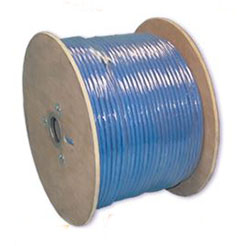
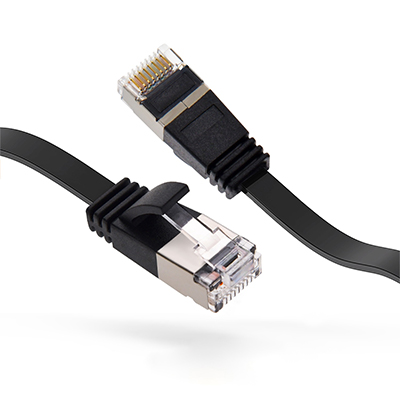
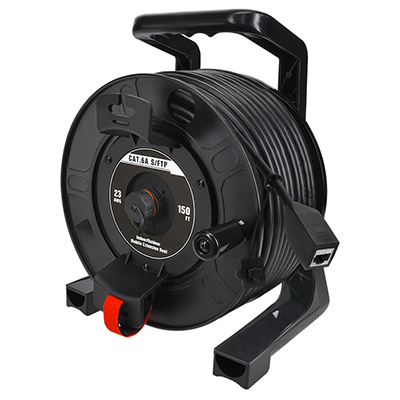
Unshielded cables (UTP, or Unshielded Twisted Pair), on the other hand, lack this shielding. Instead, they rely on the design of the twisted pairs themselves to reduce interference.
Key Advantages of Shielded Cables
Shielded cables are grounded and offer protection against:
-
Alien Crosstalk (AXT): This occurs when signals from one cable interfere with signals in another. Shielded cables help prevent this by blocking external signals from leaking into the cable.
-
Electromagnetic Interference (EMI): EMI is caused by electrical noise from nearby devices, such as machinery or power lines. Shielded cables minimize the impact of EMI, ensuring stable data transmission.
When to Use Shielded Cables
Shielded cables are ideal for environments with high levels of interference or where higher network speeds are required. Examples include:
-
Industrial settings with heavy machinery.
-
Data centers that house many cables in close proximity.
-
High-speed networks where susceptibility to interference increases.
Do Shielded Cables Apply to Fiber Optics?
Fiber optic cables are inherently immune to EMI and alien crosstalk due to their glass core and light-based transmission. Therefore, shielding is not necessary for fiber optics. Shielded cables are specifically relevant for Ethernet networks that use copper wiring.
When to Use Unshielded Cables
Unshielded cables are lightweight, flexible, and cost-effective. They’re well-suited for:
-
Home networks or small office setups.
-
Environments with low EMI or crosstalk risk.
-
Installations where ease of handling and lower costs are priorities.
Despite their lack of shielding, unshielded cables perform well in many scenarios thanks to the twisted pair design.
Can You Mix Shielded and Unshielded Cables?
Mixing shielded and unshielded cables in a single installation is generally not recommended.
Shielded cables require proper grounding to function effectively. If mixed with unshielded cables, the grounding continuity may be compromised, leading to potential performance issues or interference.
Key Terms to Know
Alien Crosstalk (AXT)
Alien crosstalk refers to signal interference from adjacent cables. It becomes a significant concern as network speeds increase because faster data transmission is more sensitive to interference. Shielded cables are specifically designed to reduce this risk.
Electromagnetic Interference (EMI)
EMI is caused by external electrical sources like motors, fluorescent lights, or power cables. It can disrupt data transmission in Ethernet cables. Shielded cables protect against EMI, ensuring stable and reliable performance.
Final Thoughts
The choice between shielded and unshielded cables depends on your specific networking needs.
Shielded cables are essential in high-interference environments or for high-speed networks, while unshielded cables are perfect for simpler setups with fewer external noise risks.
By understanding the pros and cons of each, as well as terms like alien crosstalk and EMI, you can make an informed decision to ensure your network performs at its best.
Don’t forget to check out the linked videos above for a quick visual overview of shielded networks and their advantages.