








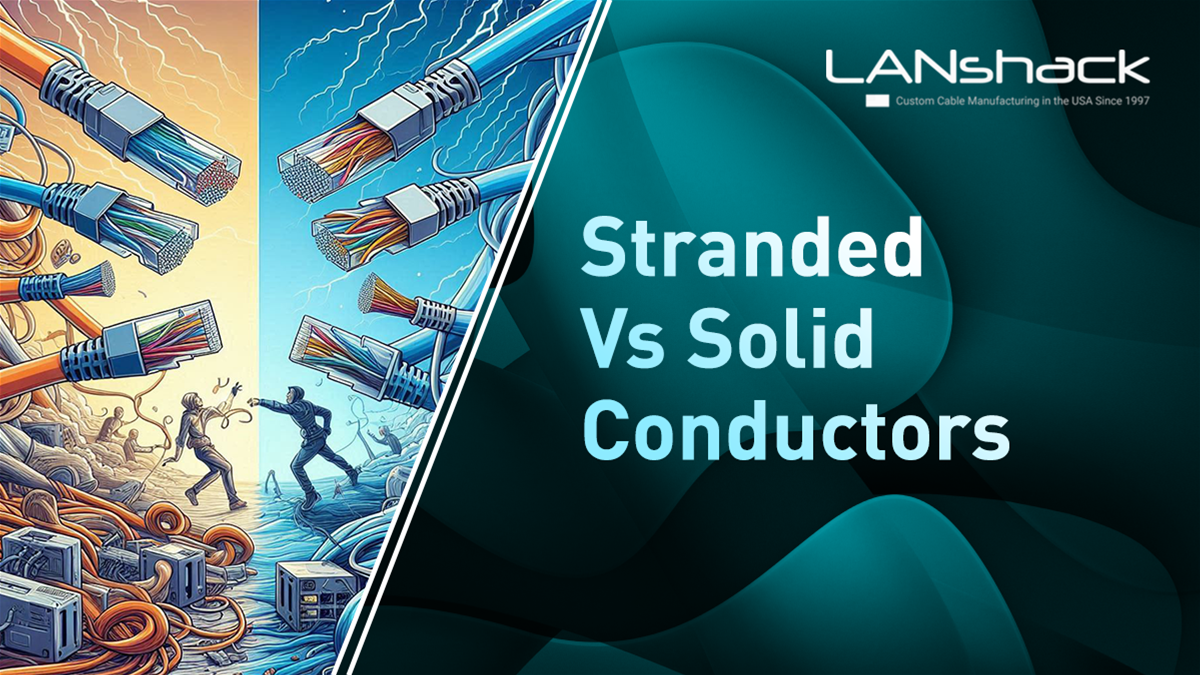


When it comes to Ethernet cabling, understanding the differences between stranded and solid conductors is essential.
Both types are widely used in networking but serve distinct purposes based on their construction and performance characteristics.
Stranded cables consist of multiple smaller strands of copper twisted together, offering flexibility.
Solid cables, on the other hand, feature a single copper core, making them more rigid but highly conductive.
Choosing the right type of conductor can impact your network's performance, cost, and longevity, so it’s crucial to match the cable type to the specific application.
Is a Solid or Stranded Ethernet Cable Better?
The answer to whether solid or stranded Ethernet cables are "better" depends on your needs.
Featured Products
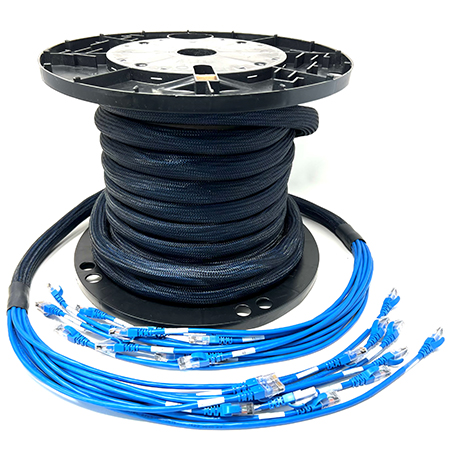
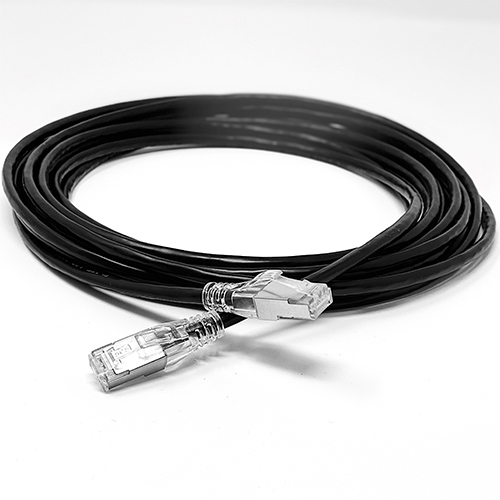
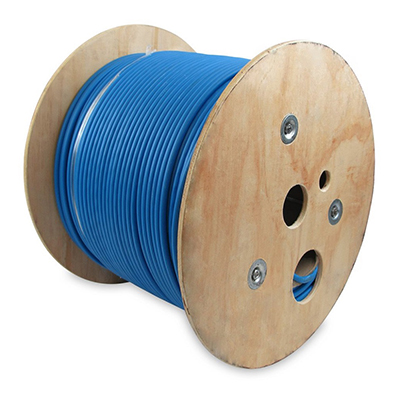
Solid Ethernet cables are typically chosen for their superior performance in permanent installations. They offer excellent signal quality over long distances and are more cost-effective. These cables are ideal for in-wall or ceiling installations where flexibility isn't a priority.
Stranded cables, by contrast, shine in scenarios requiring flexibility. They are better suited for patch cords and connections where frequent movement or reconfiguration is necessary.
While stranded cables might be slightly more expensive, their pliability makes them easier to use in dynamic environments.
Ultimately, "better" comes down to your specific priorities, such as durability, flexibility, or cost.
What Is the Best Conductor for an Ethernet Cable?
The "best" conductor depends on the application and environment. Both solid and stranded cables rely on copper for their excellent conductivity, but their internal construction affects their suitability for different uses.
Solid conductors are ideal for long, uninterrupted runs, as they maintain signal integrity over greater distances with minimal loss. They’re particularly effective for structured cabling in offices, data centers, and residential installations.
Stranded conductors excel in scenarios requiring flexibility. They’re the go-to choice for patch cables and short-distance connections, especially where frequent plugging and unplugging occurs.
Your choice should align with factors such as current capacity, ease of installation, and anticipated movement.
What Conducts Better: Solid or Stranded Wire?
When it comes to conductivity, solid wires have the edge. The single, unbroken copper core ensures minimal resistance, making solid cables highly efficient for data transmission over long distances.
This is why solid Ethernet cables are favored for permanent installations.
Stranded wires, while slightly less conductive due to the tiny gaps between strands, still perform well in short-distance applications.
The difference in conductivity is negligible in such cases, making stranded cables suitable for flexible connections and patch cords.
What Are the Advantages of Stranded Cable Over Solid Cable?
Stranded Ethernet cables offer several unique advantages:
-
Flexibility: The pliable nature of stranded cables makes them easy to route through tight spaces and ideal for patch cords.
-
Resistance to Vibration: Stranded cables are less prone to breakage in environments with constant movement or vibration, such as industrial settings.
-
Ease of Installation: Their flexibility simplifies installation in dynamic setups where cables may need frequent adjustments.
While stranded cables may not match solid cables in long-distance performance, they excel in environments requiring durability and adaptability.
Features of Solid and Stranded Ethernet Cables
Flexibility
Stranded cables are inherently flexible, making them perfect for dynamic setups or temporary connections. Solid cables, while rigid, are best suited for permanent installations, such as those inside walls or conduits.
Current Capacity
Solid cables are superior for handling higher currents, particularly in Power over Ethernet (PoE) applications, where reliable current delivery is critical.
Transmission Distance
For long-distance runs, solid cables are the clear choice due to their ability to maintain signal quality with minimal loss. Stranded cables are better for short distances, where flexibility is more important than signal strength.
Durability
Solid cables resist environmental factors like moisture and physical damage but can crack if excessively bent. Stranded cables, by contrast, handle repeated bending and movement without breaking, making them ideal for frequently adjusted setups.
Cost
Solid cables are generally more cost-effective, as they’re simpler to manufacture. Stranded cables, due to their complex construction, tend to be slightly more expensive.
Conclusion
Both solid and stranded Ethernet cables have distinct strengths, and the best choice depends on your specific needs.
Solid cables offer superior performance for permanent, long-distance installations, while stranded cables provide the flexibility and durability required for dynamic environments.
If you’re unsure which cable type suits your project, consult with our experts at LANshack to help you make an informed decision. Matching the cable type to your application ensures optimal network performance and long-term reliability.