








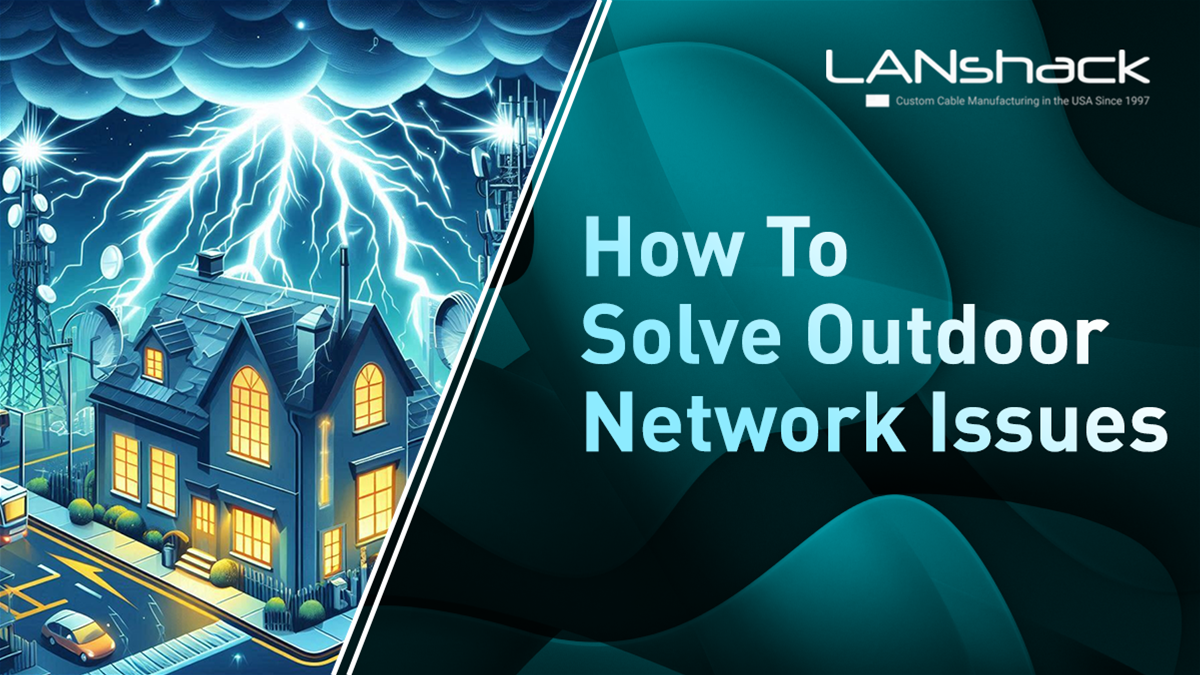


A non-profit organization recently faced network problems after a volunteer installed UTP Cat6 cables underground across their campus. Just a few weeks later, seven network switches failed during storms. While the Ubiquiti Dream Machine Pro remained functional, this situation highlights the risks associated with outdoor copper Ethernet installations, particularly in areas with high lightning activity.
After some research, it became clear that the switches were likely damaged by electrostatic discharge (ESD) or surges caused by lightning. The user attempted to install surge suppressors, but they were unsure if it would solve the issue since the cables used (UTP Cat6) lacked a drain wire for grounding.
This scenario raises several important questions about outdoor networking infrastructure and how to avoid costly failures.
Common Causes of Network Failures in Outdoor Installations
Copper cabling, such as UTP Cat6, is susceptible to lightning-induced surges. These surges travel through the cable and destroy connected network devices. The lack of proper grounding and protection further increases the risk.
Key Issues with the Initial Setup:
-
No Proper Grounding: UTP surge suppressors typically require proper grounding to be effective. Without this, they can fail to protect equipment during lightning strikes.
-
Inadequate Cable Choice: UTP cables are not ideal for outdoor use, especially when run between buildings without protection from environmental conditions.
-
Lightning-Prone Area: The campus is located in a region with frequent storms, increasing the likelihood of ESD events that can damage network infrastructure.
Recommended Solutions
Switch to Fiber Optic Cabling
Fiber optic cables offer a clear advantage in lightning-prone areas. They are non-metallic and immune to electrical surges, making them ideal for outdoor installations. Running fiber between buildings eliminates the risk of electrical interference and can withstand harsh weather conditions.
Featured Products
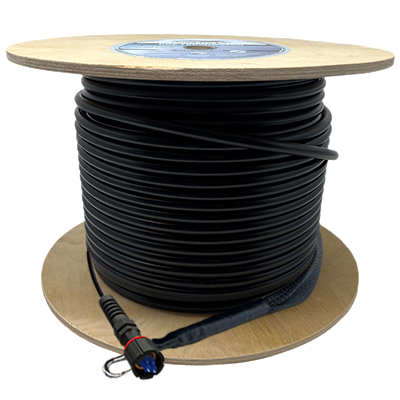
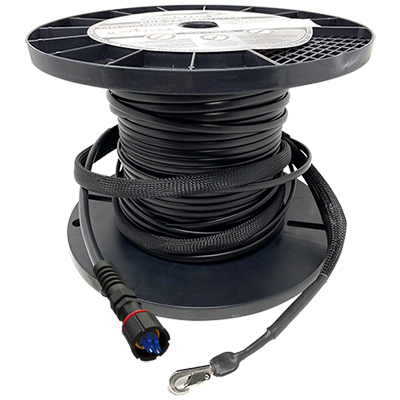
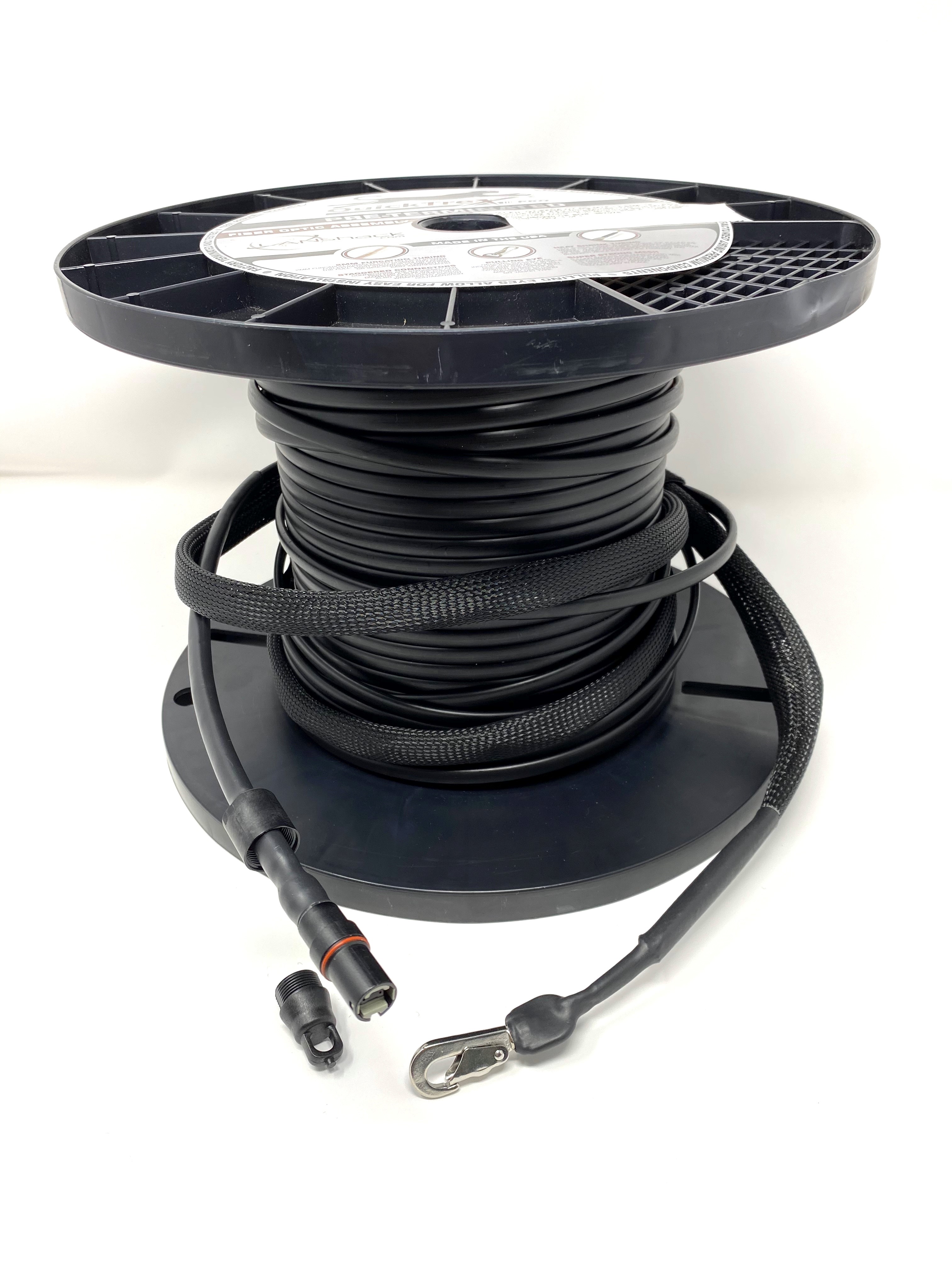
Fiber optic cabling is also more future-proof, offering higher bandwidth and longer-distance capabilities. For non-profits or organizations with limited budgets, pre-terminated fiber cables are available at lower prices than custom-terminated options, reducing installation costs. This allows the fiber to be run without needing specialized termination equipment.
Install Surge Suppressors with Grounding
If fiber is not immediately feasible, surge suppressors should be installed with proper grounding to protect the existing network infrastructure. Ensure that these devices are connected to a solid ground to reduce the likelihood of surges reaching network equipment. While this solution may mitigate damage, it’s not a long-term fix and only provides limited protection.
Wireless Bridges as a Temporary Solution
Wireless point-to-point (PtP) bridges can be a cost-effective alternative to re-running cables between buildings. This method removes the need for physical cabling, avoiding the electrical surge issues associated with copper. However, while wireless bridges can be a quick fix, they come with bandwidth limitations and potential interference issues, depending on the environment.
Proper Conduit Installation
If re-running cables is necessary and fiber is chosen, use PVC conduit to protect the cables underground. Schedule 40 PVC conduit is recommended to ensure the cables are safe from water damage, rodent interference, and other environmental factors. Proper conduit installation extends the lifespan of the cables and reduces the risk of network downtime.
Why Copper Runs Between Buildings Are Problematic
One of the biggest issues with using copper Ethernet cables between buildings is the difference in electrical ground potential. Buildings with independent power sources can have different ground potentials, and copper cables provide a pathway for electrical surges between them. This can lead to network failures or even fires in extreme cases. Fiber optics, on the other hand, do not carry an electrical charge, making them immune to these issues.
Conclusion: Opt for Fiber for Outdoor Networking
While initial installation costs for fiber optic cables may be higher than UTP Cat6, fiber offers a much more reliable and long-term solution. In areas with frequent lightning storms, the cost of continually replacing switches and dealing with downtime will quickly outweigh the initial savings from using copper.
If the budget allows, replacing the copper with fiber is the most robust option. If not, using wireless bridges or proper surge suppression with grounding can provide a temporary solution. Either way, this non-profit must address their outdoor network setup before more equipment is damaged.
By investing in the right infrastructure now, they can ensure their network remains operational during storms, saving both time and money in the long run.