








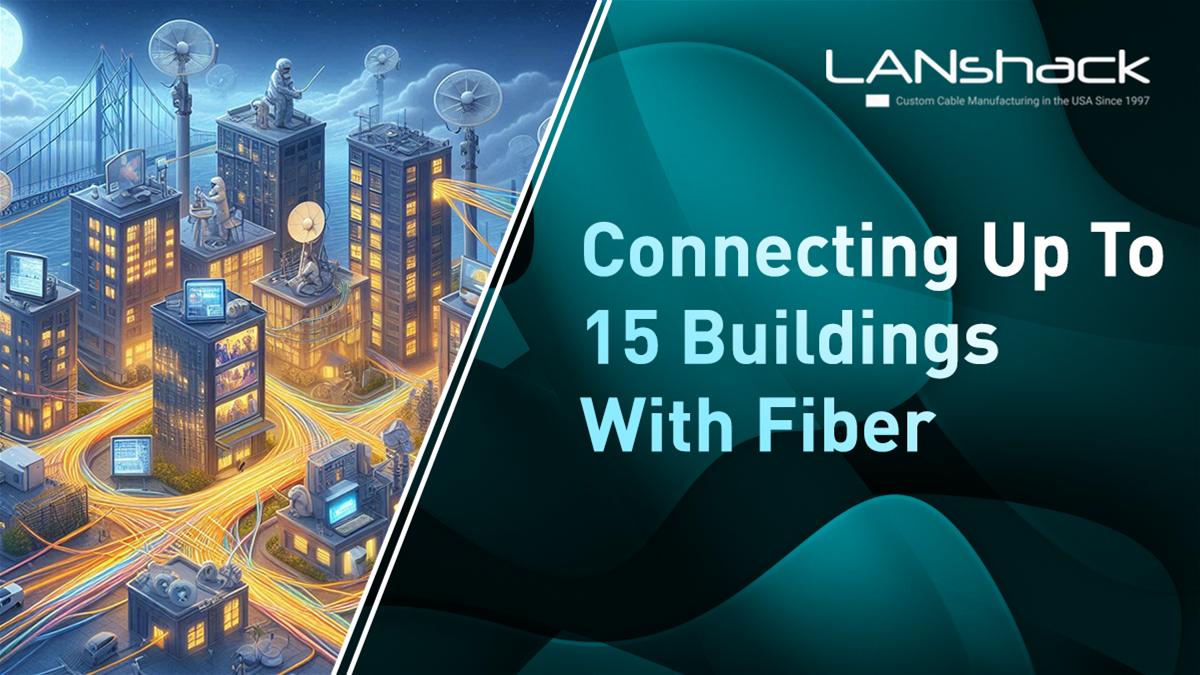


When interconnecting 15 buildings for CCTV, the number of fiber strands needed depends on the connection topology, redundancy, and specific equipment used. Here’s a summary based on various points raised:
-
Topology: One method could be connecting the buildings in a daisy chain (BL1 to BL2, BL2 to BL3, etc.), which suggests a linear approach. However, this may leave you without backup for the last few buildings (e.g., BL14 and BL15). If you're looking for redundancy or future expansion, consider using a ring or hub-and-spoke setup, like the star chain topology method.
-
Number of Pairs: Fiber operates in pairs (transmit and receive). At a minimum, you need one pair per building for basic connectivity, but it’s advisable to include at least one extra pair for redundancy or growth. For 15 buildings, you would need:
-
15 pairs in total for basic connection (1 pair per building).
-
At least 1–2 extra pairs for redundancy (or more if you anticipate expansion or future bandwidth needs).
-
Cable Capacity: Cables are typically available in 6, 12, 24, or higher core configurations. A 12-strand cable (6 pairs) could theoretically work if you only connect 6 buildings directly to the Security Operations Center. However, for 15 buildings, a larger cable (e.g., 24 or 48 strands) may be more appropriate, especially considering redundancy.
-
Bandwidth Considerations: If it’s an IP-based CCTV system, 10Gbps backbones are common in campus networks, and equipment like SFPs is becoming more affordable. You could use multimode fiber for shorter distances or single-mode fiber for longer connections.
-
Installation Best Practices: Regardless of the strand count, it’s recommended to use patch panels in cabinets to manage and protect the fibers properly. Also, consult an installer to assess and optimize your specific needs.
Featured Products
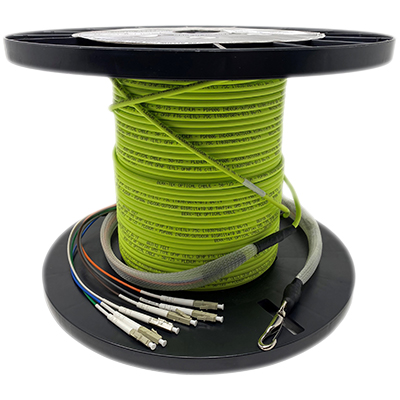
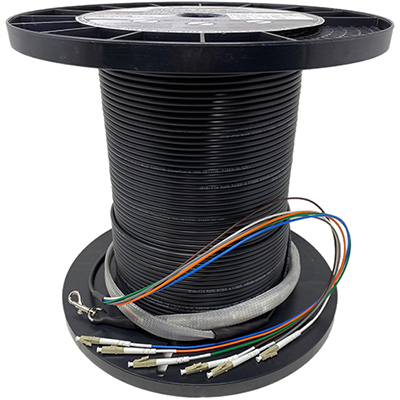
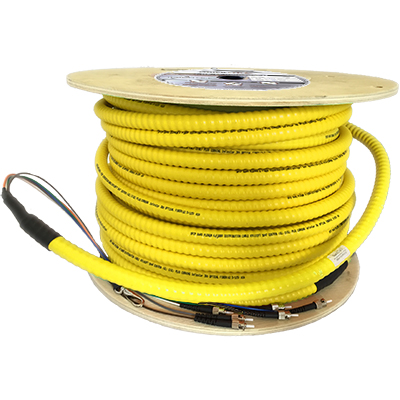
In conclusion, you’ll likely need at least a 24-strand cable (12 pairs) to provide basic connectivity with redundancy for all 15 buildings. More details on the CCTV system and future plans would help refine this estimate.